
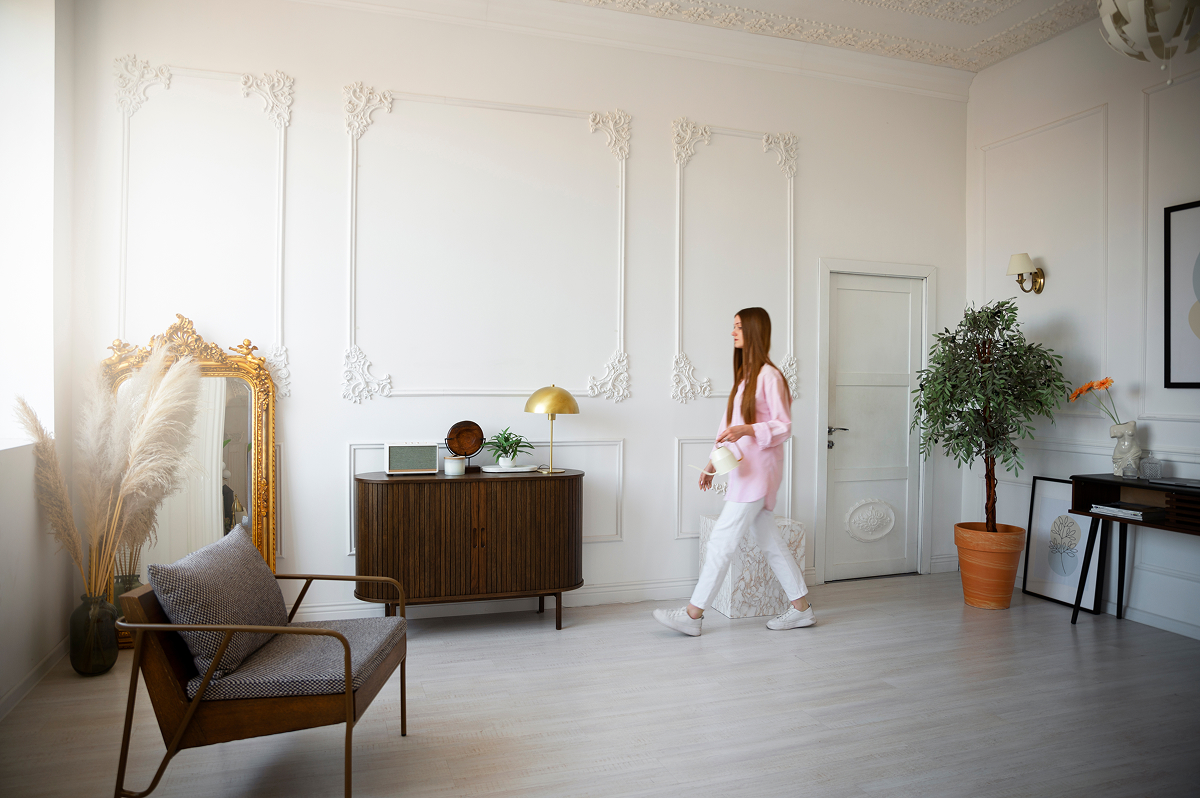
Your Beverly Hills Home Deserves More Than “Nice.” Here’s What’s Actually Happening in 90210 Right Now.
There’s a certain kind of frustration that comes with owning a luxury home that no longer feels luxurious.
Maybe the kitchen was cutting-edge in 2018 but reads tired against what you’ve seen in Architectural Digest lately. Maybe the primary suite functions fine but doesn’t feel like the retreat you paid for. Or maybe you’ve been watching neighboring properties sell for record prices after tasteful, well-executed renovations — and you’re wondering what they know that you don’t.
You’re not behind. You’re just not yet informed about what’s actually moving the needle in the Beverly Hills luxury renovation market right now.
September 2026 is a pivotal moment. Homeowners across 90210, Trousdale Estates, and the Flats are executing a wave of high-design, high-function renovations before the holiday season — and the projects they’re choosing reveal a clear set of trends that are shaping what luxury means in this market today.
This guide breaks down exactly what’s trending, why it works, what it costs, and how to do it right.
Why September Is When Beverly Hills Renovation Trends Take Shape
The spring real estate season plants seeds. August closes projects out. September is when the serious design decisions get made — homeowners who saw what sold well in spring are now acting on those observations, and contractors coming off summer builds are ready for the next high-profile engagement.
Design studios in West Hollywood and Beverly Hills report that September brings their highest volume of initial consultations. What homeowners are asking for right now tells us a lot about where the luxury renovation market is heading.
Here’s what’s dominating those conversations.
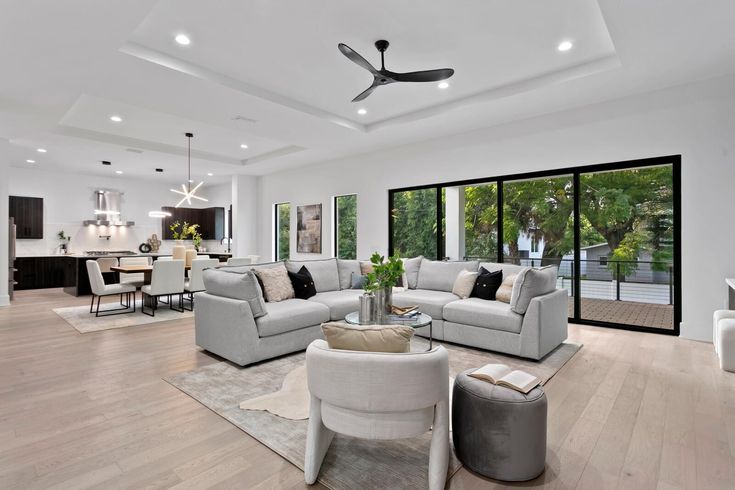
The Top Luxury Home Renovation Trends in Beverly Hills This September
1. Biophilic Design: Bringing the Outside In (Permanently)
Biophilic design — architecture and interior design that creates a deep, intentional connection to nature — has moved from trend to expectation in Beverly Hills luxury renovation.
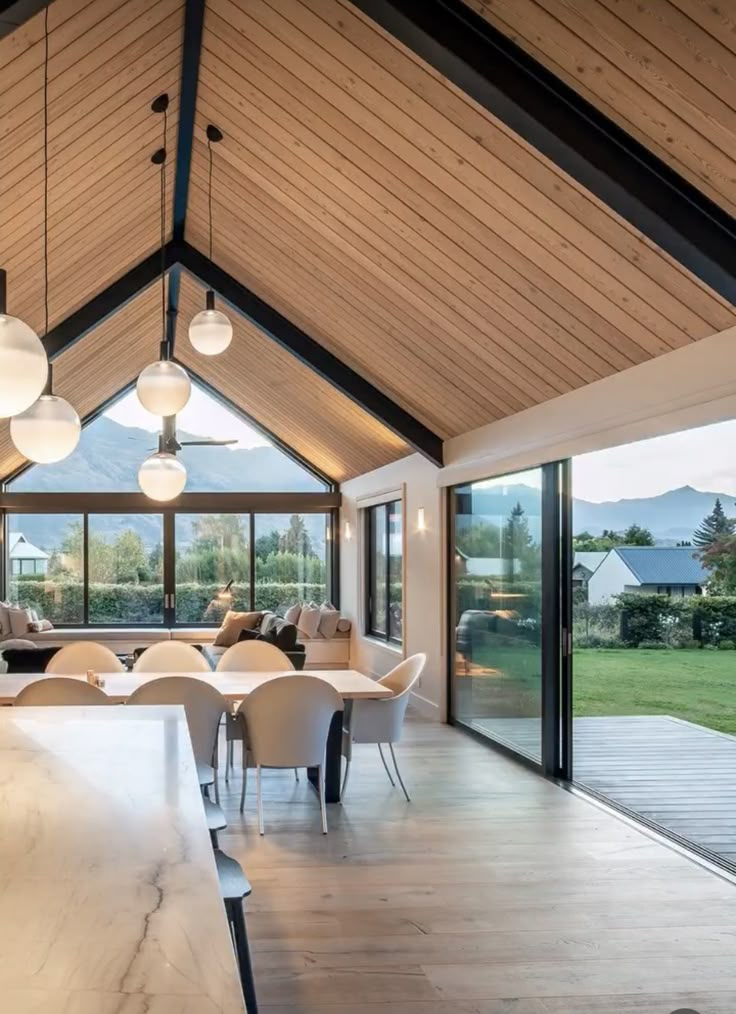
This isn’t potted plants on a shelf. It’s structural: living walls integrated into great rooms, floor-to-ceiling NanaWall glass systems that dissolve the boundary between indoor living spaces and outdoor environments, natural stone feature walls quarried in Italy or Brazil, and timber ceiling systems that introduce organic warmth into contemporary architecture.
Why it’s trending: Post-2020, Beverly Hills homeowners increasingly prioritize how their homes feel — not just how they photograph. Biophilic interiors consistently score higher on wellbeing metrics and have become a differentiator in the luxury resale market.
What to expect to invest: Living wall systems run $8,000–$35,000 installed. Full NanaWall or similar glass wall systems start around $25,000 and scale with linear footage. Natural stone feature walls: $15,000–$80,000 depending on material and scope.
Designer insight: The most successful biophilic renovations are designed holistically — light, material, and air circulation planned together — not added as accent pieces after the fact.
2. The Chef’s Kitchen Reimagined: Beyond Stainless and Marble
Beverly Hills kitchens are evolving past the “luxury standard” of white marble and stainless steel — which now reads as default rather than distinctive.
What’s replacing it: warm minimalism. Think custom cabinetry in muted earth tones (sage, warm greige, deep olive), unlacquered brass hardware that patinas naturally over time, quartzite slabs with movement and depth, and integrated appliance panels that make refrigerators and dishwashers disappear into the design.
The functional side is evolving equally fast:
- Scullery kitchens (a secondary prep and cleaning kitchen hidden behind the main showroom kitchen) are appearing in nearly every high-end Beverly Hills renovation above $3M in home value
- Barista stations with plumbed espresso machines, dedicated water filtration, and warming drawers
- Walk-in pantries designed as full rooms — with task lighting, open shelving, countertops, and electrical for small appliances
What’s driving this: Beverly Hills homeowners — many of whom entertain at a professional level — want kitchens that perform under real conditions, not just ones that photograph well for a listing.
Typical investment: $120,000–$450,000 for a full kitchen + scullery renovation in the Beverly Hills luxury tier.
3. Primary Suite Transformations: The Hotel-Residence Standard
The reference point has changed. Beverly Hills homeowners are no longer comparing their primary suites to other local homes — they’re comparing them to the best hotel experiences they’ve had globally.
The result is a surge in primary suite renovations focused on:
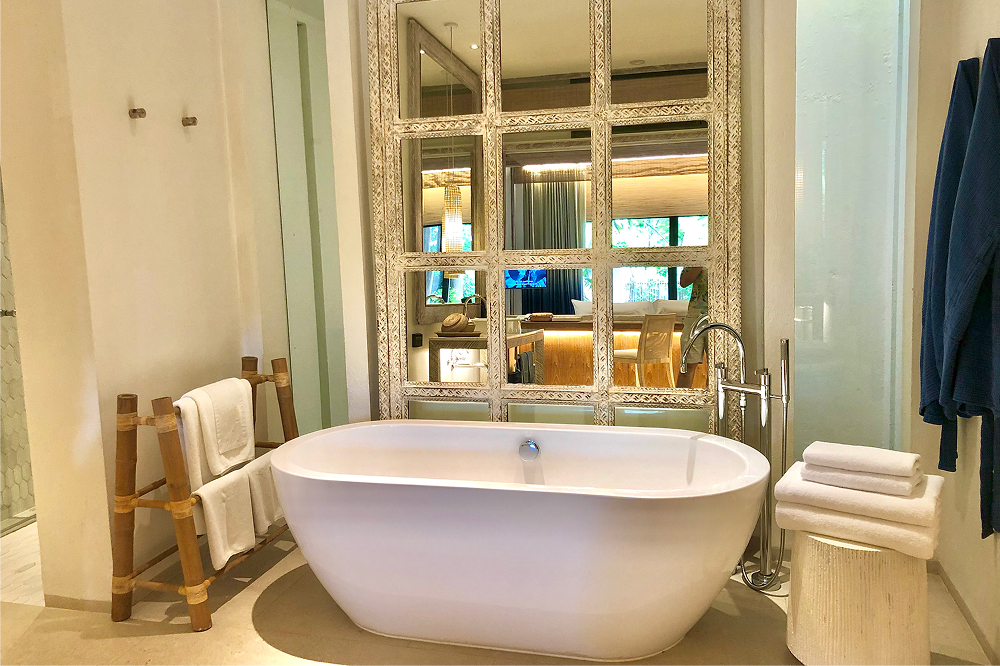
The spa bathroom: Steam rooms with chromotherapy lighting, heated floors with dual-zone thermostats, freestanding soaking tubs positioned for a view, and multi-head shower systems with digital controls. Plumbing fixtures from Waterworks, Kallista, and THG Paris are dominating high-end projects.
The dressing suite: Custom closets have been standard for years. What’s new is the architecture around them — dressing rooms designed as actual rooms, with island storage, upholstered seating, dedicated lighting circuits tuned for accurate color rendering, and full-length mirrors framed as furniture.
Sound and light control: Motorized blackout shades integrated with smart home systems, acoustic panels disguised as art or upholstered wall panels, and HVAC zones tuned for overnight sleeping temperatures.
What to invest: A full primary suite transformation (bath + dressing room + bedroom refresh) in Beverly Hills: $85,000–$300,000.
4. Smart Home Integration Done Right
Smart home technology has been a fixture in Beverly Hills renovation for years — but 2026 marks a meaningful shift in how it’s being implemented.
The trend has moved decisively away from feature-stacking (adding every possible gadget) toward seamless, invisible integration. The homes getting attention right now are the ones where the technology disappears — where you never think about the system because it simply works.
What that looks like in practice:
- Lutron Homeworks QSX lighting control systems with circadian rhythm programming that adjusts color temperature throughout the day
- Savant or Crestron whole-home AV and climate systems controlled through a single, clean interface
- AI-powered HVAC that learns occupancy patterns and pre-conditions rooms before you arrive
- Integrated security and access control — facial recognition entry, smart locks, perimeter monitoring — that operates in the background
- EV charging infrastructure rated for current and next-generation vehicles, installed in garages already roughed for future expansion
Key design principle: The most successful smart home integrations are planned at the framing stage, not retrofitted after construction. The homeowners spending the least on smart home integration are the ones who decided on it early.
Typical investment for whole-home integration: $45,000–$200,000 depending on scope.
5. Outdoor Living Spaces as Primary Entertainment Venues
In Beverly Hills, the backyard has become a second home. September is the optimal month to break ground on outdoor projects, and the scope of what homeowners are building has grown significantly.
What’s being built right now:
The covered outdoor kitchen: Not a built-in grill and mini fridge — a fully plumbed, ventilated outdoor kitchen with commercial-grade cooking equipment, an outdoor pizza oven, weatherproof cabinetry, and integrated refrigeration. These are designed to host dinner for 20 without anyone going inside.
The social pool deck: Pool renovations are trending toward shallow tanning ledges, integrated seating areas, fire features at the water’s edge, and perimeter overflow designs that create a resort aesthetic. The pool is no longer just for swimming — it’s the centerpiece of a designed outdoor experience.
The outdoor screening room: Weatherproof projection systems, acoustic panels designed for outdoor use, and deep covered pergolas with motorized screens that drop to enclose the space. September evenings in Beverly Hills are ideal — and homeowners are designing spaces that take full advantage of them.
Typical outdoor living investment: $75,000–$400,000+
6. Wellness Rooms: The New Bonus Room
The bonus room — once a catch-all for home theater or extra storage — has been repurposed. Beverly Hills homeowners are dedicating dedicated square footage to personal wellness in ways that weren’t common even three years ago.
What’s being converted or built:
- Cold plunge and sauna suites — often paired, with a small lounge between them, in what designers are calling the “contrast therapy room”
- Home gym spaces with commercial-grade rubber flooring, mirrored walls, and proper ventilation — designed for daily use, not occasional workouts
- Meditation and breathwork rooms with acoustic treatment, dedicated ventilation, and lighting designed for practice
- Infrared therapy rooms with integrated lighting and Bluetooth audio
For Beverly Hills homeowners who already have home gyms, the upgrade is sophistication: moving from functional to beautifully designed, integrated spaces that feel intentional rather than improvised.
Typical investment: $25,000–$120,000 depending on scope and scope of dedicated square footage.
Common Mistakes Luxury Homeowners Make When Chasing Renovation Trends
Trends are useful signals — but following them poorly is expensive. Here’s what separates the renovations that hold their value from the ones that date quickly.
Choosing Aesthetics Over Architecture
The biggest mistake is selecting a trend-forward finish or fixture without ensuring the underlying architecture can support it. A biophilic living wall requires specific humidity control and structural backing. A wellness room with a cold plunge requires floor drains and waterproofing not present in standard construction. Chase the aesthetic without addressing the architecture and you’ll redo it in three years.
Hiring a Contractor Who Doesn’t Know Luxury Work
Trends in the luxury tier require execution experience that not every licensed contractor has. Unlacquered brass requires specific installation technique. NanaWall systems require precision framing. Smart home rough-in requires a low-voltage specialist working alongside your electrician. Verify that your contractor has completed comparable projects — not just comparable budgets.
Trend-Stacking Without a Cohesive Design Vision
Incorporating every 2026 trend into one home doesn’t produce a luxury result — it produces a showroom. The homes that endure are designed with a clear point of view, where each material and system choice serves the overall vision. Work with a designer who can edit, not just add.
Starting Without Full Material Selection
In luxury renovation, decisions made during construction are almost always more expensive than decisions made during design. If your stone hasn’t been selected when demo begins, you will pay change order rates — sometimes 30–40% above original pricing — for every decision made under pressure.
Underestimating Technology Coordination
Smart home systems require a low-voltage contractor, a system programmer, and coordination with your electrician, HVAC contractor, and AV installer — all working from a shared plan. Projects that skip this coordination end up with systems that don’t talk to each other and interfaces that confuse rather than simplify.
FAQ: Luxury Home Renovation Trends in Beverly Hills
The leading trends in 2026 are biophilic design (living walls, natural materials, glass wall systems), scullery kitchens, spa-caliber primary bath renovations, seamless smart home integration, and outdoor living spaces designed as full entertainment venues. Wellness rooms — featuring cold plunge, sauna, and home gym spaces — are also surging.
Costs depend heavily on scope. A full kitchen renovation runs $120,000–$450,000. A primary suite transformation: $85,000–$300,000. Outdoor living spaces: $75,000–$400,000+. Whole-home smart integration: $45,000–$200,000. Always budget a 15–20% contingency on top of your contractor’s bid.
Kitchen renovations, primary bathroom upgrades, and outdoor living spaces consistently deliver the strongest ROI in the Beverly Hills luxury market. ADU additions and smart home infrastructure are increasingly valued by buyers. The key is execution quality — in this market, a poorly done renovation can hurt value more than no renovation at all.
Kitchen and primary bath renovations typically run 10–20 weeks from demolition to final finish. Whole-home renovations can range from 6 months to over a year. Outdoor living projects typically run 8–16 weeks. Add 4–8 weeks minimum for permitting before any work begins.
Yes — for virtually any project involving structural, electrical, plumbing, or mechanical changes. The City of Beverly Hills has its own planning and building department, separate from LA County. Your contractor should manage all permitting. Projects completed without permits create title issues and insurance voids.
For projects above $150,000, working with an experienced interior designer is almost always worth the investment. A skilled designer prevents costly change orders, coordinates material lead times, manages contractor relationships, and produces a cohesive result that a contractor-led project rarely achieves. Design fees typically run 10–18% of construction cost — but consistently pay back multiples in project efficiency and outcome quality.
Start with referrals from your real estate agent, architect, or designer — they work with contractors daily and know who delivers. Verify CSLB licensure independently, check references from comparable projects in Beverly Hills or adjacent luxury markets (Bel Air, Brentwood, Pacific Palisades), and request a detailed bid that itemizes labor and materials before signing any contract.
This Is the Moment to Move
The Beverly Hills luxury renovation market in September 2026 is defined by homeowners who move with purpose — who know what they want, hire the right people to execute it, and end the year living in homes that genuinely reflect their vision and their lifestyle.
The trends are clear. The window is open. The only question is whether you’re going to take advantage of it or watch your neighbors do it first.
If you’re ready to explore what a renovation would look like for your specific home — scope, timeline, realistic budget, and the right team to bring it to life — now is the time to start that conversation. The best contractors and designers in this market book out quickly, and September slots are filling now.
Don’t design your renovation around someone else’s schedule. Set yours first.
Ready to bring your Beverly Hills home to its full potential? Connect with a local expert who understands the 90210 luxury market, navigates the permit process, and knows how to deliver results that last.